Sponsored article
In the rapidly evolving food manufacturing industry, advanced coding solutions are playing a pivotal role in transforming traditional processes. These technologies not only enhance efficiency and quality but also ensure higher standards of food safety and traceability. As manufacturers navigate the complexities of modern food production, coding solutions provide the tools needed to optimize operations, comply with stringent regulations, and meet the growing demands of consumers for more transparency and reliability.
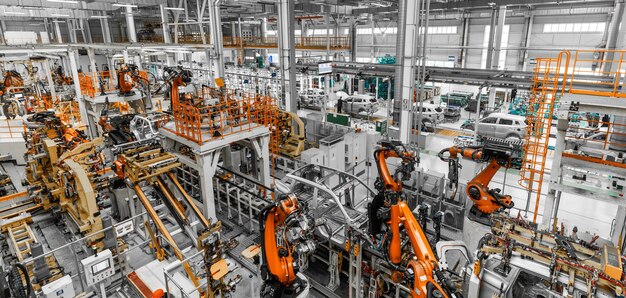
Automation is increasingly becoming a transformative force in food production, driving industries toward greater efficiency and precision. Integrating advanced robotics into production lines helps streamline operations, reducing the need for manual labor and minimizing human error. These robotic systems work tirelessly, executing repetitive and labor-intensive tasks with precision and speed, which significantly boosts production throughput and ensures consistent product quality. As technology progresses, food manufacturers are adopting sophisticated automated solutions that adapt to various packaging and processing needs, leading to optimized resource usage.
Furthermore, automation plays a crucial role in enhancing safety standards and traceability within food production. By implementing automated systems, such as those offered by leading distributors like https://www.rafpol.co.uk, manufacturers can efficiently track production metrics, ensuring that compliance with regulatory requirements is met with ease. This seamless integration of robotics and automation into the food production process enhances not only operational efficiency but also the ability to quickly respond to market demands and consumer expectations.
In the rapidly evolving landscape of food manufacturing, advanced coding solutions have become essential tools for enhancing traceability and compliance. By providing precise tracking and documentation of food products, these innovative technologies ensure compliance with stringent food safety regulations. For manufacturers, the importance of traceability cannot be overstated—it not only helps in quickly identifying and addressing any potential safety issues but also enhances operational efficiency by streamlining supply chain management. Consumers, too, benefit from traceability as it builds trust by offering transparency about a product’s journey from farm to table.
Effective coding solutions enable robust traceability and compliance by implementing various advanced techniques such as:
By leveraging these coding solutions, food manufacturers can significantly enhance their traceability and compliance efforts, fostering a more secure and transparent food supply chain.
Advanced coding technology is revolutionizing supply chain management in food manufacturing by enhancing inventory accuracy and logistics efficiency. These technologies allow manufacturers to precisely track inventory levels in real-time, minimizing the risk of overstocking or stockouts. By integrating coding solutions with existing systems, companies can maintain optimal inventory levels, which is crucial for perishable goods. Real-time tracking provided by these technologies ensures that each product is accounted for as it moves through the supply chain, reducing errors and waste. This level of precision translates into a more responsive and resilient supply chain that can adapt to fluctuations in demand with greater agility.
Moreover, coding technology empowers supply chain management through robust data analytics capabilities, which are pivotal for informed decision-making. By analyzing data collected from various stages of the supply chain, managers can identify inefficiencies and implement improvements promptly. Key benefits include:
Leveraging these insights leads to a seamless supply chain that not only optimizes logistical performance but also boosts overall productivity in food manufacturing processes.